0086-510-8232 6620 marketing@i-liftequip.com
You are here: Home » Blog
U-Shape vs. E-Shape Low Profile Lift Tables: Which Is Better for Pallet Truck Loading?

U-Shape vs. E-Shape Low Profile Lift Tables: Which Is Better for Pallet Truck Loading?

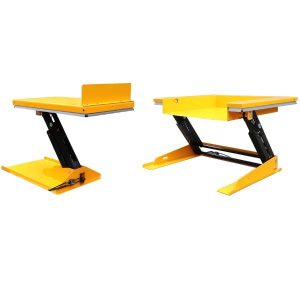
When pallet trucks are the main tool for moving goods, choosing the right lift table design can make a significant difference in efficiency, safety, and workflow speed. Both U-Shape Low Profile Stationary Lift Tables and E-Shape Low Profile Lift Tables are designed to allow pallet trucks to load pallets directly onto a fixed lifting platform, which then raises the load to an ergonomic working height. However, while these two designs serve the same basic purpose, they are optimized for different priorities: The U-shape ...
Read More
When Do You Need a U-Shape Low Profile Stationary Lift Table?

When Do You Need a U-Shape Low Profile Stationary Lift Table?

In many warehouses, factories, and logistics centers, pallet trucks (also called pallet jacks) are the most common tools for moving palletized goods. They are simple, affordable, and easy to operate. However, while pallet trucks are excellent for horizontal transport, they are not designed to provide an ergonomic working height for loading, packing, or processing goods. This is where a U-Shape Low Profile Stationary Lift Table becomes essential. If your daily operations rely on pallet trucks to move loads, and your team needs ...
Read More
ES50D electric scissor lift table cart

Electric Lift Table Cart Buying Guide: What to Consider Before You Buy

Industrial workplaces, warehouses, and manufacturing facilities are constantly looking for efficient ways to move and position heavy loads. If you’re in the market for a mobile electric lift table cart, such as the ES Series electric scissor lift table cart from i-Lift Equipment, this detailed buying guide will help you make an informed decision before you invest. Electric lift table carts have become essential tools in modern material handling. They improve productivity, reduce physical strain, and enhance workplace ergonomics. But with ...
Read More
Why Counter-Balanced Floor Cranes Outperform Traditional Mobile Workshop Cranes

Why Counter-Balanced Floor Cranes Outperform Traditional Mobile Workshop Cranes

In industrial lifting and material handling, choosing the right crane can mean the difference between effortless productivity and constant frustration. Two common choices for workshop lifting equipment are the mobile workshop crane and the counter-balanced floor crane. While both tools are designed to help you lift heavy loads in a workshop or industrial setting, they differ significantly in design, maneuverability, versatility, and overall efficiency. In this article, we’ll explore why the counter-balanced floor crane, especially models with a no front legs design, ...
Read More
EPT Electric Pallet Truck

Lead-Acid vs. Lithium Battery Pallet Trucks: Which Is the Better Choice for Your Business?

Electric pallet trucks play a vital role in modern material handling operations. They are widely used in warehouses, factories, logistics centers, and distribution hubs to transport goods efficiently and safely. One of the most important components of an electric pallet truck is its battery system, as it directly affects performance, operating efficiency, and long-term cost. Today, the two most common battery types used in pallet trucks are lead-acid batteries and lithium-ion batteries. Each has its own characteristics, advantages, and limitations ...
Read More
HS Series Manual Stacker

Manual Stacker vs. Manual Straddle Stacker: When to Choose Which?

When buyers are sourcing manual material handling equipment, one of the most common questions is: Should I choose a standard Manual Stacker or a Manual Straddle Stacker? Both machines belong to the same family of hand-operated lift trucks, and both are designed to lift, lower, and transport palletized loads without electricity. However, their structures, applications, and ideal use cases are quite different. In this article, we’ll compare Manual Stackers and Manual Straddle Stackers, focusing on when it makes sense to choose ...
Read More
roller-skates

How to Move a 10-Ton Heavy Load Safely: Choosing the Right Rotating Roller Machine Skates

Moving a 10-ton heavy load is not a simple task. Whether you are relocating industrial machinery, large production equipment, or heavy infrastructure components, improper equipment selection can result in safety hazards, damaged assets, and costly downtime. A common question many buyers ask is: “I have a 10-ton load to move. What product should I choose?” This article provides a clear and practical guide to selecting the right rotating roller machine skates for safely and efficiently moving a 10-ton load, based ...
Read More
roller-skates

5 Common Mistakes Buyers Make When Selecting Rotating Roller Machine Skates

Moving heavy machinery safely and efficiently is a common challenge in warehousing, manufacturing plants, and industrial transportation. Rotating roller machine skates are widely used for this purpose, offering flexibility, stability, and labor savings when relocating heavy loads. However, many buyers make costly mistakes when selecting rotating machine skates—mistakes that can lead to reduced efficiency, safety risks, or even equipment damage. Based on real-world applications and industry experience, this article highlights five common mistakes buyers make when choosing rotating machine skates, ...
Read More
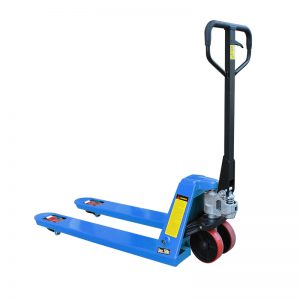
hand pallet truck

What to Consider When Buying a Hand Hydraulic Pallet Truck

A hand hydraulic pallet truck, often referred to as a manual pallet jack, is one of the most essential tools in warehouses, factories, retail backrooms, and logistics centers. Despite its simple structure, choosing the right pallet truck requires careful consideration of several technical factors—especially fork dimensions, load capacity, and wheel materials. Selecting the wrong pallet truck can lead to inefficiency, safety risks, and unnecessary maintenance costs. In this guide, we will walk through the key aspects you should consider when ...
Read More
MG1000 Mezzanine Gate

Why Mezzanine Gates Are Essential for Multi-Level Warehouses

Multi-level warehouses use mezzanines and pick modules to unlock vertical space. But every loading opening at height creates a serious hazard: an unprotected edge where people can fall and pallets can tip. A mezzanine gate (also called a pallet safety gate or mezzanine loading gate) turns that opening into a controlled transfer point—so you can move goods between floors without exposing workers to a drop. What Is a Mezzanine Gate? A mezzanine gate is an engineered barrier installed at mezzanine ...
Read More
Manual high lift scissor truck

Stop Bending Over to Handle Pallet Loads A Smarter Way to Work at Waist Height

If your team regularly picks, packs, sorts, or assembles items from pallets on the floor, you’ve probably seen the same problem every day: constant bending. It’s slow, tiring, and (over time) a recipe for back and shoulder strain. The good news is that you don’t have to choose between “manual handling” and “buying a forklift.” A practical, warehouse-friendly solution is a high lift scissor truck (also called a high lift pallet truck or scissor lift pallet jack): it lifts the whole pallet ...
Read More
Manual Work Positioner

Factors to Consider When Selecting a Work Positioner

Introduction Selecting the right work positioner is essential for improving workplace ergonomics, increasing productivity, and ensuring safe material handling. Work positioners are widely used in warehouses, manufacturing plants, assembly lines, and logistics centers to lift, position, and transport loads efficiently. Understanding the critical selection factors helps businesses choose the most suitable solution for their operational needs. 1. Load Capacity and Lifting Range The first and most important factor when selecting a work positioner is load capacity. The equipment must safely ...
Read More
pallet tilter

How a Pallet Tilter Reduces Injuries (MSDs) in Warehouses

Repetitive bending, lifting, and twisting are major causes of musculoskeletal disorders (MSDs) in warehouses, production facilities, and assembly lines. Every day, operators handle bins, baskets, and boxes filled with components — often hundreds or thousands of times per shift. Without ergonomic solutions, lower back pain, strains, and fatigue are inevitable. A pallet tilter like the LT10 Pallet Tilter provides a practical solution to protect workers while boosting efficiency. The Hidden Risk: Repetitive Bending and Lifting Workers picking parts from bins or tote boxes ...
Read More
light stacker

Manual vs Semi-Electric 400kg Light Stacker: Which One Should You Choose?

When purchasing a 400kg capacity light stacker, many warehouse managers and logistics professionals face the same question: Should I choose a manual light stacker or a semi-electric light stacker for my facility? Selecting the right 400kg light stacker is critical for productivity, safety, and cost efficiency, especially in European warehouses, small distribution centers, and retail stockrooms with narrow aisles and confined spaces. In this article, we’ll provide a detailed manual vs semi-electric light stacker comparison, helping you make an informed decision ...
Read More
light stacker

Light Stacker for Narrow Aisles: A Smart Forklift Alternative for Compact Warehouses

In many European warehouses, workshops, and storage facilities, warehouse aisles are simply too narrow for traditional forklifts. Older buildings, urban distribution centers, office storage areas, and compact production sites often face the same challenge: limited space, tight turning areas, and increasing pressure to handle goods efficiently and safely. When forklifts are impractical or too costly, businesses are increasingly searching for a forklift alternative for narrow aisles. One of the most effective solutions is a light stacker—a compact, easy-to-operate material handling ...
Read More
Forklift fork extensions

How Buyers Can Choose the Right Forklift Fork Extensions

Forklift fork extensions are practical and cost-effective attachments that allow standard forklift forks to lift longer, bulkier, or awkward loads. For procurement professionals, however, choosing the right extension is not as simple as selecting a length from a catalog. Incorrect sizing or specifications can compromise safety, reduce lifting capacity, and damage equipment. This guide explains what procurement teams must check, which measurements to provide to suppliers, and which safety rules should always be followed to ensure you purchase the correct forklift fork ...
Read More
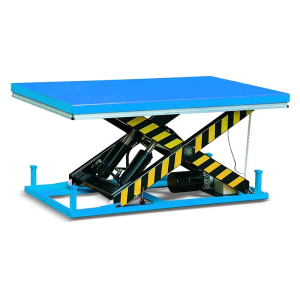
HW1001 Stationary Lift Table

How To Maintain Your Stationary Lift Table

Stationary lift tables are essential pieces of material-handling equipment used for lifting, positioning, and transferring heavy loads across a wide range of industrial environments, including manufacturing plants, warehouses, logistics centers, and assembly lines. These fixed-location lifting platforms are engineered to improve workplace safety and productivity by offering a stable, reliable, and height-adjustable surface for handling goods. To ensure long-term durability, optimal performance, and continued safe operation of your stationary lift table, regular maintenance and proper servicing are not simply recommended—they ...
Read More
HW1001 Stationary Lift Table

Custom Stationary Lift Table: Key Factors You Must Consider Before Ordering

Introduction A custom stationary lift table plays a vital role in material handling, production lines, and warehouse operations. When customers require customized configurations, selecting the correct specifications is essential for safety, performance, and long-term durability. Below are the five most important factors to consider when customizing a stationary lift table. Hopefully, this will help you buy the right product. 1. Load Capacity – The Most Critical Factor in Lift Table Customization Load capacity is the foundation of every customized lift table design ...
Read More