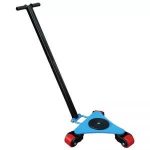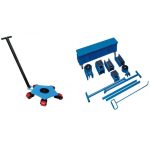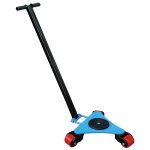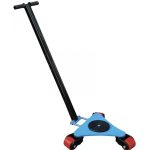



Moving heavy machinery safely and efficiently is a common challenge in warehousing, manufacturing plants, and industrial transportation. Rotating roller machine skates are widely used for this purpose, offering flexibility, stability, and labor savings when relocating heavy loads.
However, many buyers make costly mistakes when selecting rotating machine skates—mistakes that can lead to reduced efficiency, safety risks, or even equipment damage. Based on real-world applications and industry experience, this article highlights five common mistakes buyers make when choosing rotating machine skates, and how to avoid them.
Mistake #1: Only Focusing on Load Capacity
One of the most common mistakes buyers make is selecting rotating machine skates based only on rated load capacity.
While tonnage is undeniably important, it should never be the sole deciding factor. For example, some buyers assume that a single “4-ton skate” can safely move a 4-ton machine. In reality, load distribution plays a critical role.
What buyers often overlook:
- Load imbalance due to machine shape or center of gravity
- Uneven floors causing point loading
- Improper number of skates used under the load
Important Note:
When combining multiple rotating machine skates under one load, the total load capacity equals the combined capacity of all skates used—but only when the load is evenly distributed.
For instance:
- Two 2-ton skates = 4-ton total capacity
- Three skates with uneven load distribution ≠ guaranteed safety
Best practice:
Always choose skates with a safety margin above the actual load weight, and match the number of skates to the machine’s footprint and balance requirements.
Mistake #2: Ignoring Roller Material Quality
Another frequent oversight is neglecting the roller material used in rotating machine skates.
Some buyers focus on price and overlook the importance of roller durability—especially when moving extremely heavy or expensive machinery.
High-quality rotating machine skates are typically manufactured from heavy-duty steel, providing:
- Superior load-bearing strength
- Reduced deformation under extreme pressure
- Longer service life in industrial environments
Additionally, 360-degree rotating rollers significantly improve maneuverability and operational safety, allowing operators to adjust direction smoothly without repositioning the load manually.
Why roller material matters:
- Low-quality rollers wear faster
- Increased rolling resistance raises operator effort
- Poor materials may crack or fail under high loads
Tip for buyers:
Always verify whether the skates are designed for heavy-duty industrial use, not light-duty or temporary applications.
Mistake #3: Overlooking Floor Conditions
Floor conditions are often underestimated when selecting rotating machine skates, yet they directly impact performance and safety.
Different environments—such as warehouses, workshops, and loading bays—present different challenges:
- Smooth concrete floors
- Rough or cracked surfaces
- Slightly sloped or uneven ground
Using inappropriate skates on unsuitable surfaces may lead to:
- Increased rolling resistance
- Reduced control during movement
- Higher risk of tipping or load shifting
Rotating roller machine skates with 360-degree rotation are particularly effective on smooth, flat surfaces, allowing precise directional control. However, buyers must still ensure the floor can support both the machine weight and point loads from the skates.
Recommendation:
Inspect the floor condition before purchase and choose skates designed for industrial-grade flooring, especially when moving loads up to 4 tonnes (8,800 lbs).
Mistake #4: Ignoring the Towing or Traction Method
Many buyers focus on the skates themselves but fail to consider how the load will be pulled or guided.
Rotating machine skates are typically used in combination with:
- Manual pulling (crowbars or pushing rods)
- Winches or chain hoists
- Forklifts or towing equipment
Without a proper traction method, even the best machine skates can become difficult—or unsafe—to control.
Common issues include:
- Sudden load movement
- Difficulty stopping or steering
- Increased risk of operator injury
Best practice:
Plan the entire moving system in advance. Ensure that:
- The pulling force is aligned with the load
- Operators can maintain full control during movement
- Emergency stopping is possible at all times
A well-coordinated towing method significantly improves safety and efficiency.
Mistake #5: Choosing the Wrong Model for the Application
Another mistake buyers often make is selecting a one-size-fits-all solution without considering different model options.
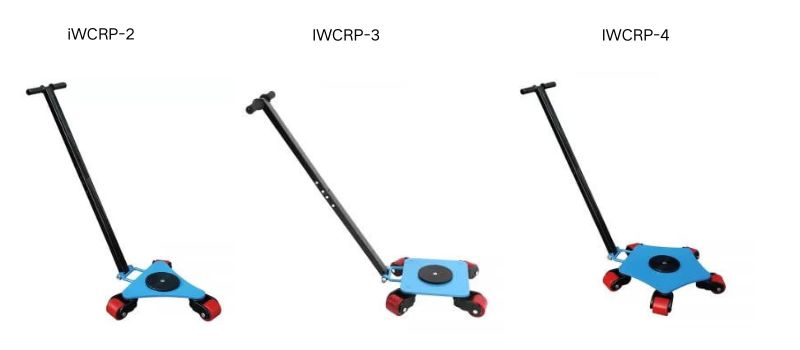
Professional rotating machine skates are typically available in multiple load ratings to suit various applications. For example:
- 2-ton skates for light industrial equipment
- 3-ton skates for medium machinery
- 4-ton skates for heavy-duty industrial relocation
Each model is engineered to handle specific load ranges efficiently. Using a higher-capacity skate than necessary may increase cost unnecessarily, while undersized skates pose serious safety risks.
Smart selection tip:
Match the skate model to:
- Actual load weight
- Number of skates used
- Operating environment
- Frequency of use
Choosing the correct model ensures optimal performance, longer lifespan, and better return on investment.
Final Thoughts: Choose Wisely for Safety and Efficiency
Selecting the right rotating machine skates is not just about moving heavy loads—it’s about protecting your equipment, operators, and workflow efficiency.
By avoiding these five common mistakes:
- Only focusing on tonnage
- Ignoring roller material
- Overlooking floor conditions
- Neglecting towing methods
- Choosing the wrong model
buyers can significantly improve both safety and productivity.
High-quality rotating roller machine skates, manufactured from heavy-duty steel and equipped with 360-degree rotating rollers, provide a reliable solution for moving machinery up to 4 tonnes in demanding industrial environments.
If you’re planning your next heavy equipment move, investing time in proper selection will save costs—and prevent risks—in the long run.
Related Products
 How to Move a 10-Ton Heavy Load Safely: Choosing the Right Rotating Roller Machine Skates
- What Can Electric Machine Roller Skates Be Used to Move?
- Why Hydraulic Toe Jacks Have Two Capacities (Toe vs Head)
- Rotating Roller Machine Skates vs. Complete Skate Kits: Which Machinery Moving Solution Is Right for You?
- iWCRP-2 Heavy-Duty Rotating Roller Machine Skates
- How to choose a crane for a low workshop?
- iWCRP-2 Heavy-Duty Rotating Roller Machine Skates: The Smart Choice for Moving Industrial Loads
- How To Maintain Your Stationary Lift Table
- Trailer Trestle vs. Trailer Stabilizer Jack: How to Choose the Safest Support for Semi-Trailers & Container Loading
- Advantages of Self-Loading Electric Stackers in Factory Operations