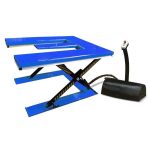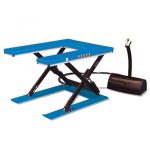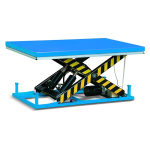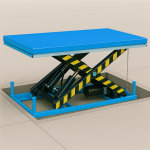



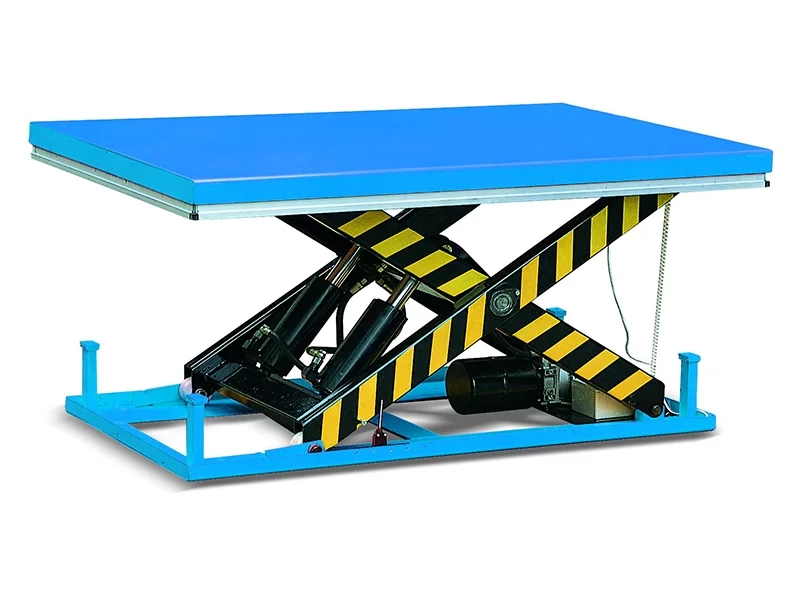
Stationary lift tables are essential pieces of material-handling equipment used for lifting, positioning, and transferring heavy loads across a wide range of industrial environments, including manufacturing plants, warehouses, logistics centers, and assembly lines. These fixed-location lifting platforms are engineered to improve workplace safety and productivity by offering a stable, reliable, and height-adjustable surface for handling goods. To ensure long-term durability, optimal performance, and continued safe operation of your stationary lift table, regular maintenance and proper servicing are not simply recommended—they are essential.
This comprehensive guide explains how to properly maintain a stationary lift table, including daily, weekly, monthly, and annual care routines. Following these steps will ensure smooth lifting performance, reduce downtime, and extend the lifespan of your hydraulic lift table.
Detailed Maintenance Checklist
| Maintenance Frequency | Checklist Items | Purpose |
| Daily | - Clean platform surface - Check for hydraulic oil leaks - Inspect rollers, pivot points, and scissor arms - Test control buttons and safety devices - Verify stable lifting motion | Ensure safe operation and detect early issues. |
| Weekly | - Remove dust from mechanical parts - Check rollers and bushings - Inspect electrical wiring - Tighten visible bolts | Prevent mechanical wear and maintain electrical safety. |
| Monthly | - Full lubrication of pivot points and rollers - Inspect hydraulic oil level - Check hose and fitting integrity - Inspect cylinder condition | Maintain optimal hydraulic performance and reduce system stress. |
| Annual | - Replace hydraulic oil - Replace seals and worn bushings - Perform load testing - Full inspection of motor, pump, and electrical system | Ensure long-term stability and compliance with safety standards. |
FAQ
1. How often should I lubricate a stationary lift table?
Lubrication should be performed at least once per month. High-usage environments may require bi-weekly lubrication.
2. What type of hydraulic oil should I use?
Use ISO 32 or ISO 46 hydraulic oil, depending on the manufacturer's recommendations and your local climate.
3. Why is my lift table raising slowly?
Slow lifting is usually caused by low hydraulic oil, dirty oil, clogged filters, or a failing pump.
4. How do I prevent uneven lifting?
Ensure proper lubrication, check rollers and pivot points, and remove air from the hydraulic system.
5. When should hydraulic oil be replaced?
Typically every 12 months, or after 1,000 hours of operation, whichever comes first.
6. What are the signs of hydraulic oil contamination?
Dark, milky, or foamy oil indicates contamination and requires immediate replacement.
7. Can I repair hydraulic components myself?
Only trained technicians should repair hydraulic cylinders, pumps, and seals to avoid safety risks.
8. Why is regular maintenance important?
It reduces breakdowns, extends equipment lifespan, and ensures operator safety.
Related Products
 Factors to Consider When Selecting a Work Positioner
- U-Shape vs. E-Shape Low Profile Lift Tables: Which Is Better for Pallet Truck Loading?
- When Do You Need a U-Shape Low Profile Stationary Lift Table?
- Manual High Lift Pallet Trucks: The Ultimate Solution for Efficient Warehouse Operations
- Does a Stationary Lift Table Need a Pit? Installation Methods Explained
- 5 Common Mistakes Buyers Make When Selecting Rotating Roller Machine Skates
- WS50 Winch Stacker: The Ultimate Manual Lifting Solution for Efficient Pallet Handling
- Optimizing Warehouse Efficiency: A Data-Driven Guide to Manual vs. Electric Pallet Trucks
- Custom Stationary Lift Table: Key Factors You Must Consider Before Ordering
- Pit-Mounted vs Surface-Mounted Stationary Lift Tables: Which Is Right for You?