


Efficient material handling is essential for smooth factory operations. From receiving raw materials to moving semi-finished products and shipping finished goods, factories rely heavily on safe, fast, and flexible handling equipment. However, many factories still face common challenges such as labor-intensive loading, limited forklift availability, insufficient loading docks, and delays during vehicle loading and unloading.
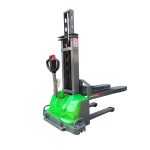
A self-loading electric stacker, also known as a full electric self-propelled lifter, provides an effective solution for these challenges. Designed with electric lifting, electric driving, and self-loading capability, this type of equipment helps factories improve productivity, reduce manual handling, and make internal logistics more independent.
What Is a Self-Loading Electric Stacker?
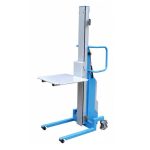
A self-loading electric stacker is a powered material-handling machine designed to lift, transport, load, and unload palletized goods. Unlike traditional manual stackers or pallet trucks, it combines electric lifting and self-propelled travel in one compact unit.
More importantly, some self-loading electric stackers can lift themselves into and out of light to medium commercial vehicles. This allows operators to load both the equipment and palletized cargo onto a vehicle, transport them to the destination, and unload them independently.
For factories that handle frequent deliveries, small-batch shipments, or on-site material transfers, this equipment can greatly improve operational flexibility.
1. Improve Loading and Unloading Efficiency
One of the biggest advantages of a self-loading electric stacker is its ability to speed up loading and unloading operations.
In a factory, goods often need to move between different areas, such as:
- Raw material storage areas
- Production lines
- Assembly workshops
- Packaging areas
- Finished goods warehouses
- Loading and dispatch zones
With a self-loading electric stacker, operators can move palletized goods quickly and efficiently without waiting for a forklift or additional warehouse staff. This helps reduce downtime and keeps production and shipping schedules running smoothly.
For factories with frequent incoming and outgoing goods, this improvement can make a significant difference in daily workflow.
2. Reduce Manual Labor and Operator Fatigue
Manual handling can be physically demanding, especially when workers need to push, pull, lift, or reposition heavy loads repeatedly. Over time, this can lead to fatigue, lower productivity, and a higher risk of workplace injury.
A self-loading electric stacker uses electric power for both travel and lifting. The operator only needs to control the movement and lifting functions, greatly reducing physical effort.
This is especially useful for factories handling heavy pallets, machinery parts, electrical equipment, furniture, packaging materials, or other bulky goods. By reducing manual labor, factories can create a safer and more comfortable working environment for operators.
3. Reduce Dependence on Forklifts and Loading Docks
In many factories, forklifts are shared by multiple departments. When forklifts are busy, workers may need to wait before they can move or load goods. This can slow down production, delay shipments, and create bottlenecks in warehouse operations.
A self-loading electric stacker helps solve this problem by giving operators more independence. It can handle many light to medium-duty pallet handling tasks without requiring a large forklift.
It is particularly useful when:
- Forklift availability is limited
- Loading docks are insufficient
- Vehicles arrive at irregular times
- Small-batch shipments need to be handled quickly
- Goods need to be moved between different factory zones
This flexibility allows factories to reduce waiting time and improve overall logistics efficiency.
4. Support One-Person Operation
Traditional loading and unloading may require several people, including a forklift driver, warehouse staff, and vehicle driver. A self-loading electric stacker can simplify this process.
In many applications, one trained operator can complete the transport, lifting, loading, and unloading process independently. This is especially valuable for factories that handle small to medium-sized shipments or deliver goods directly to customers.
By supporting one-person operation, factories can reduce labor costs, improve task efficiency, and make shipment handling more flexible.
5. Improve Internal Logistics Flexibility
Factory layouts are often complex. Goods may need to move through narrow aisles, between workshops, around production equipment, or into compact storage areas. Large forklifts may not always be suitable for these environments.
Self-loading electric stackers are generally more compact and easier to maneuver than larger handling machines. Their walking operation mode allows operators to control the machine in tight spaces with better visibility and precision.
This makes them suitable for:
- Small and medium-sized factories
- Warehouses with limited space
- Production workshops
- Loading areas
- Temporary storage zones
- Vehicle loading and unloading points
The result is smoother material flow and better space utilization.
6. Lower the Risk of Product Damage
Improper manual handling can cause goods to tilt, fall, collide, or become damaged during transportation. For factories that handle finished products, fragile components, precision equipment, or packaged goods, product damage can lead to unnecessary costs and customer complaints.
A self-loading electric stacker supports goods securely on the forks and allows controlled lifting and movement. This helps reduce impact, dragging, and unstable handling during factory transport.
It is especially useful for products such as:
- Electrical equipment
- Mechanical parts
- Furniture
- Packaged goods
- Generator systems
- Exhibition materials
- Stone products
- Industrial components
By improving handling stability, factories can better protect goods throughout the logistics process.
7. Enhance Workplace Safety
Safety is a key priority in factory operations. Manual handling, overloaded carts, and improper lifting methods can all increase the risk of accidents.
A full electric self-propelled lifter is usually equipped with safety features such as electromagnetic braking, emergency stop buttons, overload protection, and stable wheel structures. These features help operators control the equipment more safely during lifting, traveling, loading, and unloading.
Compared with manual handling, electric stackers can reduce risks such as:
- Back strain
- Hand injuries
- Foot injuries
- Load dropping
- Goods tipping
- Accidents caused by excessive manual force
For factories aiming to improve workplace safety and reduce manual handling risks, self-loading electric stackers are a practical choice.
8. Suitable for Non-Standard Loading Environments
Not every factory has a standard loading dock or enough space for large forklifts. Some factories operate in older buildings, temporary warehouses, or smaller industrial units where loading conditions are limited.
A self-loading electric stacker provides greater adaptability in these environments. It can help load and unload palletized goods even when loading dock facilities are limited.
This makes it especially suitable for factories that use light to medium commercial vehicles for delivery and need a flexible loading solution.
9. Improve Delivery and Shipping Response
Modern factories often need to respond quickly to urgent orders, small-batch shipments, or customized delivery requirements. Waiting for forklift availability or additional loading staff can slow down the entire process.
With a self-loading electric stacker, goods can be moved from the warehouse or production area to the vehicle more efficiently. This helps improve dispatch speed and supports faster order fulfillment.
For factories focused on customer service and delivery reliability, this advantage is highly valuable.
Recommended Solution: FEYG Full Electric Self-Propelled Lifter
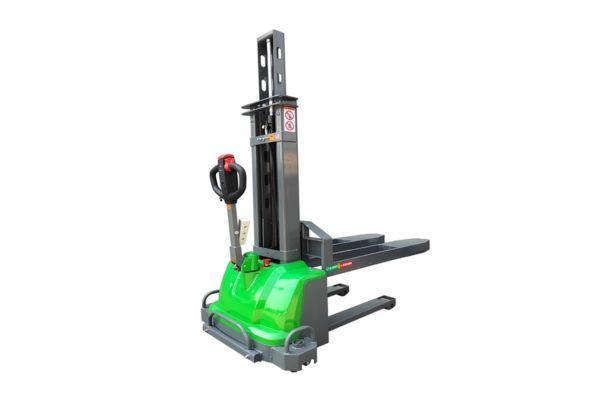
The FEYG Full Electric Self-Propelled Lifter is designed for efficient loading, unloading, and transportation of palletized goods. It combines electric lifting and self-propelled travel, allowing operators to handle materials with less effort and greater independence.
One of its key advantages is that it can be transported with goods in light to medium commercial vehicles. It can lift itself into and out of the delivery vehicle, making it suitable for independent loading and unloading operations.
The FEYG series offers:
- Electric driving and electric lifting
- Walking operation mode
- Polyurethane wheels
- Electromagnetic brake
- Compact structure for flexible operation
It is suitable for industries such as manufacturing, warehousing, logistics, transport, furniture, exhibitions, electrical equipment supply, generator systems, civil engineering, and stone handling.
Conclusion
A self-loading electric stacker is more than just a material handling tool. It is a practical solution for improving factory efficiency, reducing labor intensity, increasing loading flexibility, and enhancing workplace safety.
For factories that frequently handle palletized goods, light to medium vehicle loading, internal material transfer, or independent delivery operations, a full electric self-propelled lifter can bring clear operational benefits.
By choosing the right self-loading electric stacker, factories can make material handling faster, safer, and more efficient while reducing dependence on forklifts, loading docks, and manual labor.
Related Products
 FEYG Full electric self-propelled Lifter
- Light Stacker for Narrow Aisles: A Smart Forklift Alternative for Compact Warehouses
- ALT750 Tilter Table: The Smart Solution for Precision Material Handling
- How to Choose the Right Electric Pallet Truck for Your Warehouse
- A New Drum Lifting Solution: How the E500 Work Positioner Supports Drum Filling, Transporting and Loading
- 5 Common Mistakes Buyers Make When Selecting Rotating Roller Machine Skates
- Does a 300kg Application Really Need a 1000kg Rotating Lift Table?
- What Can Electric Machine Roller Skates Be Used to Move?
- Manual Stacker vs. Manual Straddle Stacker: When to Choose Which?
- Electric Lift Table Cart Buying Guide: What to Consider Before You Buy