


Electric pallet trucks play a vital role in modern material handling operations. They are widely used in warehouses, factories, logistics centers, and distribution hubs to transport goods efficiently and safely. One of the most important components of an electric pallet truck is its battery system, as it directly affects performance, operating efficiency, and long-term cost.
Today, the two most common battery types used in pallet trucks are lead-acid batteries and lithium-ion batteries. Each has its own characteristics, advantages, and limitations. Understanding the differences between them can help businesses choose the most suitable solution for their operational needs.
In this article, we will compare lead-acid and lithium battery pallet trucks in terms of technology, charging time, lifespan, efficiency, cost, and application scenarios to help you choose the best solution for your business.
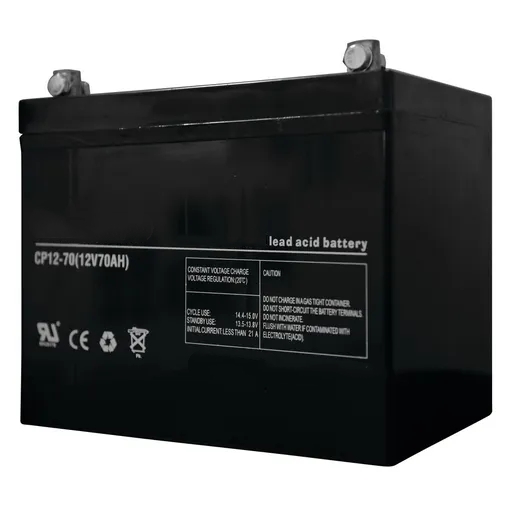
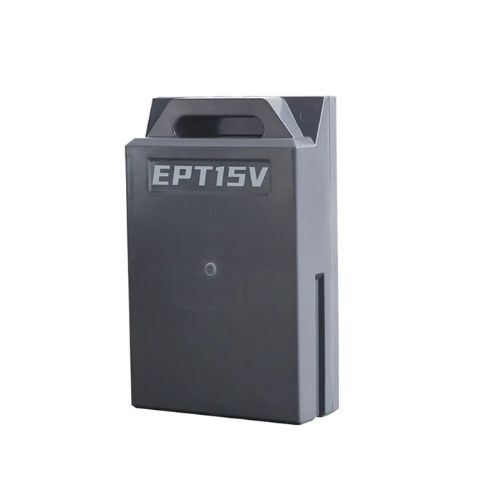
What Is a Lead-Acid Battery Pallet Truck?
A lead-acid battery pallet truck is powered by a maintenance-free lead-acid battery, which has been widely used in industrial equipment for many years.
Key Features:
- Mature and proven technology
- Lower initial purchase cost
- Suitable for standard warehouse operations
Common Applications:
Lead-acid pallet trucks are commonly used in small to medium-sized warehouses, manufacturing plants, and retail distribution centers where daily working hours are moderate.
Advantages:
- Affordable upfront investment
- Stable performance
- Widely available battery supply
- Suitable for budget-conscious users
Limitations:
- Longer charging time
- Shorter battery lifespan
- Heavier battery weight
- Lower energy efficiency compared to lithium
Lead-acid battery pallet trucks remain a practical solution for many traditional material handling applications.
What Is a Lithium Battery Pallet Truck?
Lithium battery pallet trucks use advanced lithium-ion battery technology, which is becoming increasingly popular in modern warehouses.
Key Features:
- Fast charging capability
- Lightweight and compact battery
- High energy efficiency
Advantages:
- Short charging time (1–3 hours)
- Opportunity charging during breaks
- Longer battery life
- Stable and consistent power output
- Better performance in cold environments
Possible Drawbacks:
- Higher initial purchase cost
- Requires compatible charging equipment
Lithium battery pallet trucks are ideal for operations that require high efficiency, flexibility, and minimal downtime.
Key Differences Between Lead-Acid and Lithium Battery Pallet Trucks
1. Battery Technology
Lead-acid batteries rely on chemical reactions between lead plates and electrolyte. This technology is stable and widely used.
Lithium batteries use lithium-ion cells with a built-in battery management system (BMS) that controls temperature, voltage, and charging status for better safety and performance.
2. Charging Time
- Lead-acid batteries:
Typically require 8–10 hours to fully charge, and additional cooling time before use. - Lithium batteries:
Can be charged in 1–3 hours and are ready to use immediately.
Lithium batteries support opportunity charging, which allows users to charge the battery during short breaks without affecting battery life.
3. Battery Lifespan
- Lead-acid batteries:500–1,000 charge cycles
- Lithium batteries:2,000–3,000+ charge cycles
Lithium batteries offer a much longer service life, reducing the frequency of battery replacement.
4. Energy Efficiency
Lithium batteries provide consistent voltage throughout the discharge cycle, while lead-acid batteries experience performance drops as the battery level decreases.
Higher efficiency means:
- Less energy loss
- More stable operation
- Lower electricity costs
5. Weight and Size
Lithium batteries are lighter and more compact than lead-acid batteries. This improves:
- Maneuverability of the pallet truck
- Operator comfort
- Vehicle design flexibility
6. Safety
Modern maintenance-free lead-acid batteries and lithium batteries are both designed with safety in mind.
Lithium batteries include:
- Overcharge protection
- Temperature control
- Short-circuit protection
Lead-acid batteries are also sealed and safer than traditional flooded batteries, but lithium systems offer more advanced electronic protection.
7. Environmental Impact
Lead-acid batteries contain heavy metals and chemical substances that require proper recycling.
Lithium batteries:
- Produce less waste
- Have longer service life
- Support greener warehouse operations
Lithium solutions are generally considered more environmentally friendly.
Cost Comparison
Initial Purchase Cost
Lead-acid battery pallet trucks are usually cheaper to purchase, making them suitable for businesses with limited budgets.
Lithium battery pallet trucks have a higher upfront cost, but offer better long-term value.
Long-Term Operating Cost
Lithium batteries help reduce operating expenses through:
- Longer lifespan
- Higher energy efficiency
- Reduced downtime
- Better productivity
Over time, lithium battery pallet trucks often provide a lower total cost of ownership (TCO).
Which Battery Type Should You Choose?
Choose lead-acid pallet trucks if:
- You have a limited budget
- Your operation runs one shift per day
- Equipment usage is moderate
- Cost control is a priority
Choose lithium pallet trucks if:
- You operate multiple shifts
- Fast charging is important
- High productivity is required
- You want long-term cost savings
- Your warehouse uses modern systems
Application Scenarios
| Application | Recommended Battery |
| Light-duty warehouse | Lead-acid |
| High-intensity logistics | Lithium |
| Cold storage | Lithium |
| Multi-shift operations | Lithium |
| Budget-sensitive projects | Lead-acid |
Lithium batteries perform especially well in demanding environments such as cold storage and continuous-use operations.
Conclusion
Lead-acid batteries offer a cost-effective and reliable solution for standard operations, while lithium batteries deliver superior performance, faster charging, and longer service life.
As warehouses continue to upgrade their equipment and focus on efficiency, lithium battery pallet trucks are becoming the preferred choice worldwide. However, the best option always depends on your operational needs, budget, and long-term goals.
Choosing the right battery technology can help improve productivity, reduce operating costs, and support sustainable business growth.
FAQ
Q1: Are modern lead-acid batteries maintenance-free?
Yes, most lead-acid batteries used in pallet trucks today are sealed and maintenance-free.
Q2: Which battery lasts longer?
Lithium batteries typically last 2–3 times longer than lead-acid batteries.
Q3: Can lithium batteries be charged anytime?
Yes, opportunity charging is safe and does not damage lithium batteries.
Related Products
 High Lift Pallet Jack Showdown: Why i-lift Equipment Outshines the Competition
- Airbag vs. Spring vs. Electric Rotating Lift Tables: Which Self-Leveling Solution Is Right for Your Material Handling Needs?
- How to Choose the Right Electric Pallet Truck for Your Warehouse
- Rough Terrain Pallet Truck vs Standard Hand Pallet Truck: Which One Do You Need?
- iLiftEquip High-Reach Pallet Trucks: Powering the Efficiency Revolution in European Logistics
- HH1216JW vs QES Electric Stacker: Which Electric Stacker Is Better for Your Warehouse?
- QET20P QET25P QET30P Rider-Control Electric Pallet Truck
- HRL Rotating Lift Table vs. ERP2000 Stretch Wrap Machine: How to Choose the Right Solution for Your Pallet Handling Application
- HS Manual Stacker vs QES Electric Stacker: Which Pallet Stacker Is Right for Your Warehouse?
- E550D Electric Scissor Lift Table: The Smart Choice for Effortless Material Handling