



Introduction
Selecting the right work positioner is essential for improving workplace ergonomics, increasing productivity, and ensuring safe material handling. Work positioners are widely used in warehouses, manufacturing plants, assembly lines, and logistics centers to lift, position, and transport loads efficiently. Understanding the critical selection factors helps businesses choose the most suitable solution for their operational needs.
1. Load Capacity and Lifting Range
The first and most important factor when selecting a work positioner is load capacity. The equipment must safely handle the maximum weight of materials used in daily operations. Choosing a work positioner with sufficient capacity reduces the risk of overload, improves safety, and extends service life. The lifting height range should also match the working environment to ensure comfortable and efficient operation.
2. Ergonomic Design and Productivity
A high-quality work positioner improves ergonomics by allowing operators to work at an optimal height and posture. Adjustable platforms, smooth lifting mechanisms, and intuitive controls reduce operator fatigue and minimize the risk of musculoskeletal injuries. Improved ergonomics directly contribute to higher productivity and lower workplace injury costs.
3. Manual and Electric Work Positioners
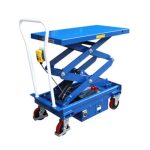
Work positioners are available in manual and electric models. Manual work positioners are suitable for light-duty applications and occasional use. Electric work positioners provide maximum efficiency, making them ideal for high-frequency and industrial applications.
4. Workspace Layout and Maneuverability
The available workspace plays a key role in work positioner selection. Compact designs and excellent maneuverability are essential for narrow aisles and confined areas. Work positioners with swivel casters, braking systems, and compact frames allow easy positioning and safe operation in busy work environments.
5. Safety Features and Compliance
Safety should always be a top priority. Reliable work positioners are equipped with overload protection, emergency stop functions, stable lifting structures, and durable frames. These safety features help prevent accidents, protect operators, and ensure compliance with industrial safety standards.
6. Versatility and Attachments
Many work positioners offer interchangeable platforms and optional attachments, enabling them to handle different types of loads. This versatility allows one work positioner to perform multiple tasks, reducing equipment costs and improving operational efficiency.
7. Durability and Maintenance Requirements
A durable work positioner minimizes downtime and maintenance costs. Strong steel construction, high-quality components, and easy maintenance access ensure long-term performance. Electric work positioners with reliable batteries and charging systems further enhance operational efficiency.
Why Choose i-Lift Work Positioners
i-Lift Equipment provides a wide range of manual and electric work positioners designed for modern material handling. Our work positioners offer strong load capacities, ergonomic operation, compact design, and advanced safety features. Optional weighing systems and customized platforms make i-Lift work positioners suitable for warehouses, factories, and logistics operations worldwide.
Conclusion
Choosing the right work positioner requires careful evaluation of load capacity, ergonomics, operation type, safety features, and durability. A well-selected work positioner improves productivity, enhances safety, and supports efficient material handling. i-Lift work positioners deliver reliable, ergonomic, and cost-effective solutions for diverse industrial applications.
Related Products
 How to Choose the Right Electric Pallet Truck for Your Warehouse
- E500 Semi-Electric Work Positioner
- How To Maintain Your Stationary Lift Table
- Stop Bending Over to Handle Pallet Loads A Smarter Way to Work at Waist Height
- Market Insights and Selection Guide for Hand Pallet Trucks, Small Capacity Hand Lifters
- When Do You Need a U-Shape Low Profile Stationary Lift Table?
- LM800N vs LG800 Vertical Drum Lifters: Which One Should You Choose?
- Boost Logistics Efficiency with i-lift SF Series Fixed Type Skates: A Comprehensive Guide
- Electric Lift Table Cart Buying Guide: What to Consider Before You Buy
- Automatically Walking Electric Lifting Table ES1000E